





Tuscany
Travel Guide
Everything you need to know
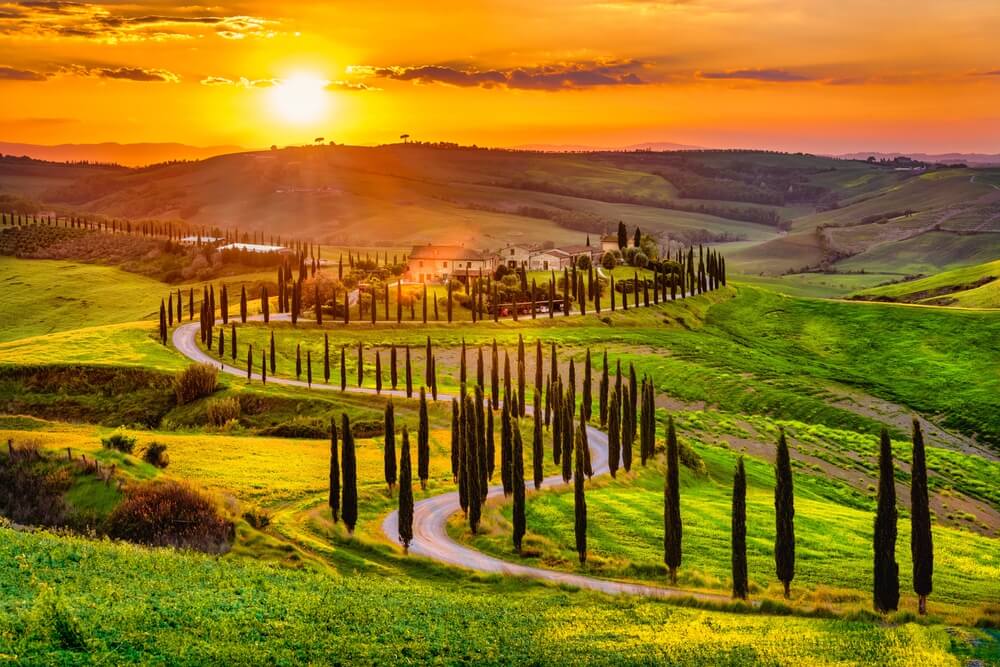
When you start thinking about luxurious holidays to Italy, there is a good chance that your mind goes straight to Tuscany. You’re probably picturing endless rolling hills, iconic cypress-lined roads winding up to ancient stone estates, and a perfectly chilled glass of Chianti wine in your hand as the sun sets.
Tuscany is easily one of Italy’s most famous regions, and we are happy to report that it deserves every single bit of the hype. While dreaming about lounging by your private pool is easy, planning a luxury holiday to Tuscany can feel a little daunting because it’s so incredibly diverse and has 10 different provinces to choose from.
Should you fly into Florence or Pisa? Do you really need a rental car, or is public transport a better bet? And how on earth do you avoid those eye-watering Italian traffic fines?
Nailing these logistics is the key to a stress-free luxury holiday. To make things easy, we’ve stripped away the planning headaches. Whether you’re trying to figure out the best time of year to visit, how to get there in style, or how to navigate the local roads, here is your guide on everything that you need to know about a luxury holiday to Tuscany.
Where is Tuscany?
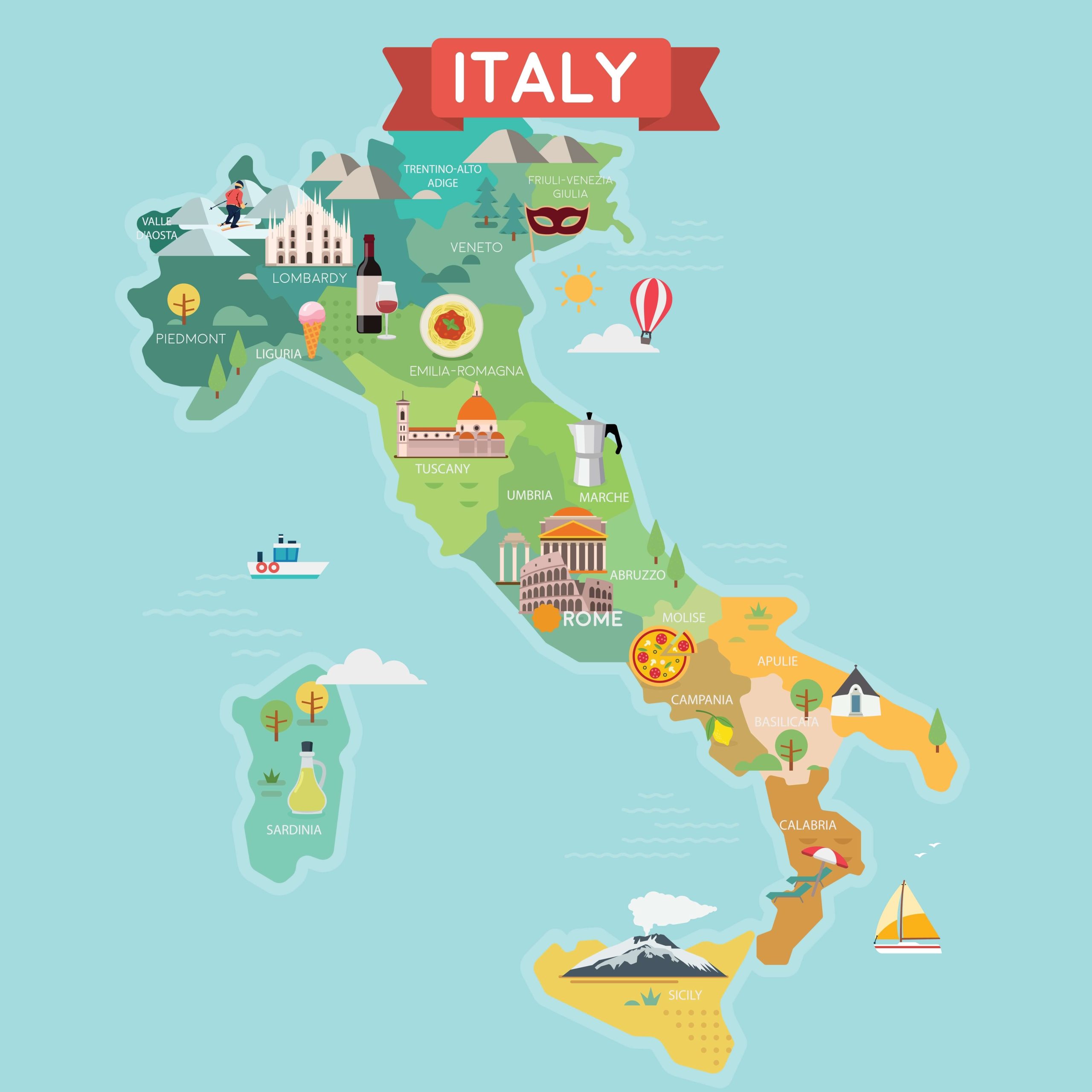
Tuscany is a region in central Italy. Its capital city is Florence. Bordered by Liguria and Emilia-Romagna to the north, by Umbria to the east, and by Lazio to the south, its western border meets the Tyrrhenian and Ligurian Seas.
Tuscany itself is divided into ten provinces: Arezzo, Florence (or Firenze, as the Italians would call it), Grosseto, Livorno, Lucca, Massa Carrara, Pisa, Pistoia, Prato, and Siena. Within these provinces lie some of Tuscany’s principal cities and some of the most famous cities anywhere in the world.
Arguably, this is the part of Italy that needs the least introduction. Second only to the Veneto region in visitor numbers, it has been a popular tourist destination ever since the Grand Tour of the 18th and 19th centuries.
Its classic landscapes were made famous by the Renaissance artists. And it’s these rolling hills, hilltop villages, wineries, and olive groves that have created an irresistible attraction for anyone looking for a true luxury holiday in Italy ever since.
How to get to Tuscany
Now that you’ve got the lay of the land, you can practically taste the wild-boar ragù and Chianti Classico. Now comes the exciting part: actually getting yourself there.
Fortunately, because Tuscany has captured the hearts of travellers for centuries, it is incredibly well connected to the rest of the world. Whether you want to glide in on a high-speed train, touch down at a regional airport, or embark on an epic, scenic road trip across the borders, arriving in Tuscany can be just as enjoyable as the holiday itself.
Let’s look at the best ways to travel to Tuscany so you can choose the route that best matches your holiday style.
How to get to Tuscany by plane
Tuscany is served by two main airports, Pisa (Galileo Galilei International Airport) and Florence (also known as the Amerigo Vespucci Airport or Peretola). However, depending on where you plan to stay, you may also want to consider flying into nearby airports. Bologna airport, for example, is just over 100 kilometres from Tuscany’s capital city, which is about a 90-minute drive.
And in the other direction, Rome is less than a 90-minute drive from the Grosseto region in southern Tuscany. Or, Perugia in neighbouring Umbria is less than an hour’s drive from the Tuscan border.
If landing in Pisa, there are trains from the airport to the city centre. If arriving in Florence, a tram links the airport to the city. A taxi from Florence airport to the city centre costs approximately €30. Or you can catch an ATAF bus or take the tram. This costs just a couple of euros and the journey will take approximately 25 minutes. From Pisa, it’s a fixed fare of €10.80 to the Piazza del Duomo or €14.50 to the train station.
How to get to Tuscany by train
Italy is one of the most rail-friendly countries in the world. Some of Italy’s most impressive and scenic train journeys cross over its borders to countries in the north. For example, the route through the Brenner Pass links Munich with Venice. And there are also rapid train services between Milan, Turin and Paris. And there is an overnight train between Vienna and Rome too.
Once arriving in Italy by train, it’s then easy to go on to reach Tuscany’s capital city of Florence by train too. Using the fast train service from Rome, Venice or Milan, you can be in Florence in less than two hours and if travelling from Naples or Turin, it will only take three hours to reach Florence.
Find out all train times, prices and book tickets at Trainline. Or find out more about train travel in our handy guide to travelling by train in Italy.
How to get to Tuscany by car
If you are coming to Tuscany for a luxury holiday from outside Italy, there are three main entry points by car. These are the Mont Blanc tunnel in France, the Grand Saint Bernard tunnel in Switzerland, and the Brenner Pass in Austria.
Once across the border in Italy, the country has a good road network. If you’re looking to get from A to B quickly, then it’s worth using the Italian Autostrada. These are fast roads, but you do have to pay to use them. Toll booths will either require immediate payment or ask you to take a ticket, in which case payment will be made when you exit the motorway. Payment can usually be made by credit card or in cash.
Just make sure you choose the correct lane – telepass or biglietto. The telepass is a device that will automatically deduct the toll from your bank account. The likelihood is that you won’t have one of these, so instead you should opt for taking a ticket (biglietto).
The main north-south link road through Tuscany is the Autostrada del Sole, which runs from Milan all the way down to Reggio Calabria. The A1 links Florence to Bologna in the north and with Arezzo and Rome in the south. There is also a fast road that leaves the A1 at Firenze Certosa and connects Tuscany’s capital to Siena. And the A11 connects Florence to Prato, Pistoia and Lucca before joining with the A12, which heads along Tuscany’s coastline to Genoa.
You can check real-time traffic information and journey times on the Italian autostrade network here.

How to get around Tuscany
Once you have arrived in Tuscany, you have a few options about how to get about during your holiday. We do usually recommend hiring a car – even if you don’t use it every day, it will give you so much more freedom and allow you to explore parts of Tuscany that may be hard to reach using public transport. However, it’s good to understand all the options open to you.
Using public transport on your luxury holiday to Tuscany
If you’re travelling between larger towns and cities on your luxury holiday to Tuscany and are looking to use public transport, we usually recommend taking the train. There are four major rail networks in Tuscany.
The fastest of these is the Milan-Florence-Arezzo-Orvieto-Rome line. The second runs along the Tuscan coast between Genoa, Pisa, Livorno and Rome. There is then a route that runs from Florence to Viareggio, stopping in Prato, Pistoia, Montecatini Terme, and Lucca along the way. And there is a line between Florence and Pisa which stops in Empoli and Pontedera.
However, many smaller towns and villages either don’t have train services at all or are better served by buses. Certainly, if you’re travelling around the Chianti area or the Val d’Orcia by public transport, buses are the only viable option.
Travelling by bus will certainly allow you to visit a more hidden, less crowded and undiscovered side of Italy. They also often offer a cheaper mode of travel if you’re on a budget. And buses are usually equipped with Wi-Fi, air conditioning, and power outlets to help you travel in comfort.
There is no national bus network in Italy. Most buses are regional. And, even within the same region, there can sometimes be multiple companies operating.
The main bus companies in Tuscany are Bus Italia, SITA, CAP, and Tiemme. Bus Italia and SITA operate services between Florence and the areas of Arezzo, Casentino, Chianti, Mugello, Siena and Valdarno. Incidentally, this is the quickest way to travel between Florence and Siena. CAP connects Florence with the area around Mugello, Prato and Pistoia. Tiemme is the bus company that covers southern Tuscany. It runs services around Arezzo, Certaldo, Grosseto, Maremma, Piombino, San Gimignano and Siena.
In Florence itself, the ATAF (Azenda Trasporti Area Fiorentina) provides services in the city centre. Tickets can be purchased at the local tobacconist or at the ATAF information office in front of the train station. If you wait to purchase a ticket once on board, you will pay almost twice as much for your journey.
Renting a car for your luxury holiday to Tuscany
There are several benefits to driving a car in Tuscany. Not least, it allows you to explore Tuscany at your own pace. It also enables you to fully discover Tuscany’s picturesque rural landscape and its smaller hilltop towns and villages. Expect to enjoy breath-taking panoramas around every corner!
There are two main types of road in Tuscany, motorways (autostrade) and state roads (superstrade). The autostrada are toll roads indicated by green signs. The superstrada is indicated by blue signs and is free to use.
However, we recommend that when driving in Tuscany, you take the state roads (strade statali), which are indicated on maps as S or SS, or the provincial roads (strade provinciali), which are indicated as SP.
The latter are often small country roads. Whilst it means it will take longer to get from A to B, taking these roads will reward you with some of the most beautiful scenery in Tuscany. Plus it will introduce you to some of the most charming smaller villages dotted throughout the Tuscan countryside.
There are also Strade Bianche (white roads). These are unpaved gravel roads that wind their way through the heart of the Tuscan countryside, past olive groves, vineyards, fields and meadows.
In reality, even when access is permitted, driving in city centres or even in the historic centre of towns in Tuscany can be stressful. As a result, you may want to consider parking on the outskirts of the town and walk in.
Many of the streets in Tuscany are narrow and don’t provide much room for cars to pass. As a result, if parking on the roadside, we recommend you put your wing mirrors in to minimise the chances of damage to your vehicle.
The best time to visit Tuscany for a luxury holiday
There is no bad time to take a luxury holiday to Tuscany! Instead, you should consider the best time to visit Tuscany based on your interests.
We particularly love Tuscany in the Spring between April and May. This is when the wildflowers are in bloom throughout the Tuscan countryside, the fields are lush and green, and temperatures hover between 18°C and 23°C.
If you want to enjoy long lazy days spent poolside interspersed with sightseeing, then we recommend visiting Tuscany in the Summer. Between June and August, you can expect the hottest temperatures. It’s not unusual for temperatures to reach 30°C at this time. It can be pretty sweltering in Tuscany’s major cities, so we recommend exploring outdoors in the early morning or late afternoon. This will allow you to avoid the most intense heat. Summer in Tuscany is also the busiest time of year, so expect peak crowds and peak pricing to go with the peak temperatures.
If you’re going to struggle to sightsee in the heat, consider visiting Tuscany in the Spring or Autumn for your luxury holiday instead. This is when you’ll find pleasant temperatures making sightseeing more enjoyable (and much less sweaty!). You’ll also find fewer crowds, so the main tourist sites tend to be quieter.
However, Autumn in Tuscany is pretty idyllic. Instead of the wildflowers, you’ll find the landscape transformed into a rich tapestry of gold and amber. This is harvest time, so expect plenty of sagre and food festivals to be taking place. Temperatures in September and October tend to range between 20°C and 26°C, the crowds are starting to thin out, and it’s a great time to enjoy a more relaxed vibe to your sightseeing activities.
Finally, don’t rule out visiting Tuscany in the Winter. One of the advantages of visiting Tuscany between November and March is the lack of crowds. Of course, the weather is going to be cooler (and potentially wetter, too), but you will find accommodation cheaper, the tourist sites quieter, and plenty still going on to keep you busy and entertained.
There are plenty of Christmas markets in Italy to enjoy in December, whilst February in Tuscany is Carnevale season. Expect plenty of seasonal markets and festivals to take place whatever month you visit.
Cities and Towns in Tuscany
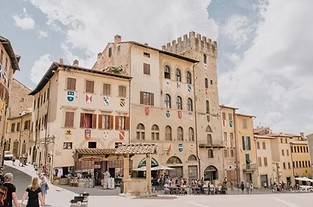
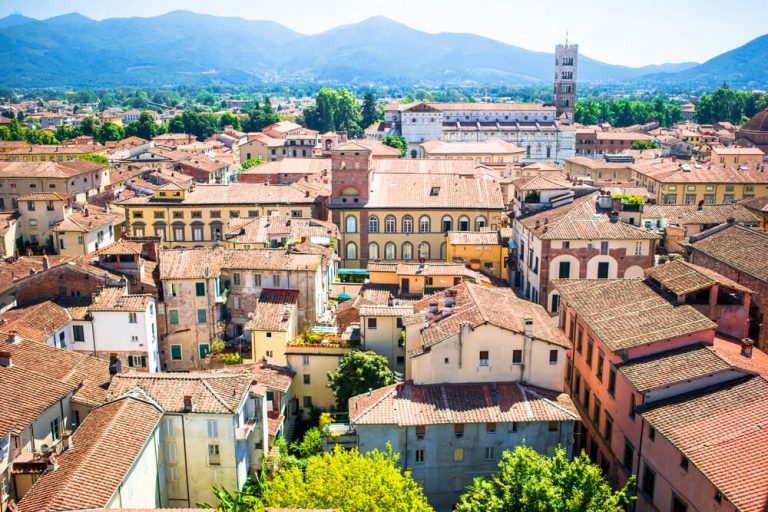
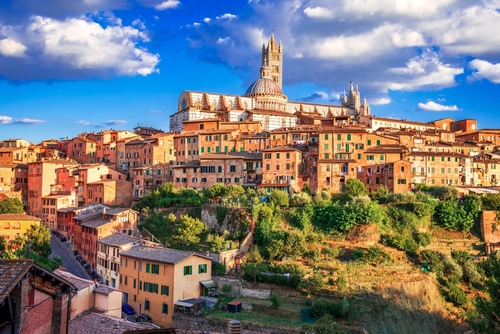
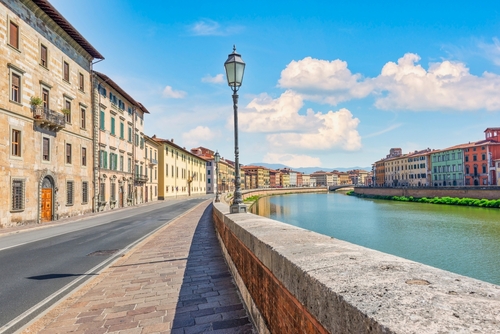
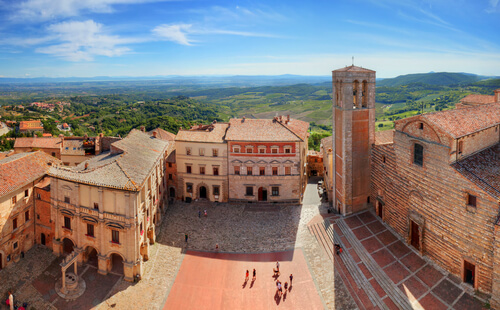
Tuscany’s towns and cities are famous the world over. Their skylines are instantly recognisable and they are filled with an array of sights to see and things to do.
Ready to book your luxury holiday to Tuscany?
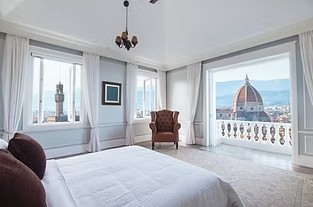
Of course, the ultimate luxury holiday starts with having the perfect place to come home to after a day of exploring. Whether you dream of waking up in a beautiful luxury villa surrounded by vineyards or lounging by a private infinity pool overlooking the rolling hills of the Val d’Orcia, we have handpicked the finest properties in the region to make your stay unforgettable.
Take a look at our exclusive collection of luxury villas in Tuscany to find your perfect base for your luxury holiday. Or contact us if you need a bit more information.
And if you’re wondering where to actually set up base, don’t worry, we’ve got you covered. Head over to our next guide, “Where to stay on a luxury holiday to Tuscany,” to find the best location for your needs.